
Data Analysis and Visualization
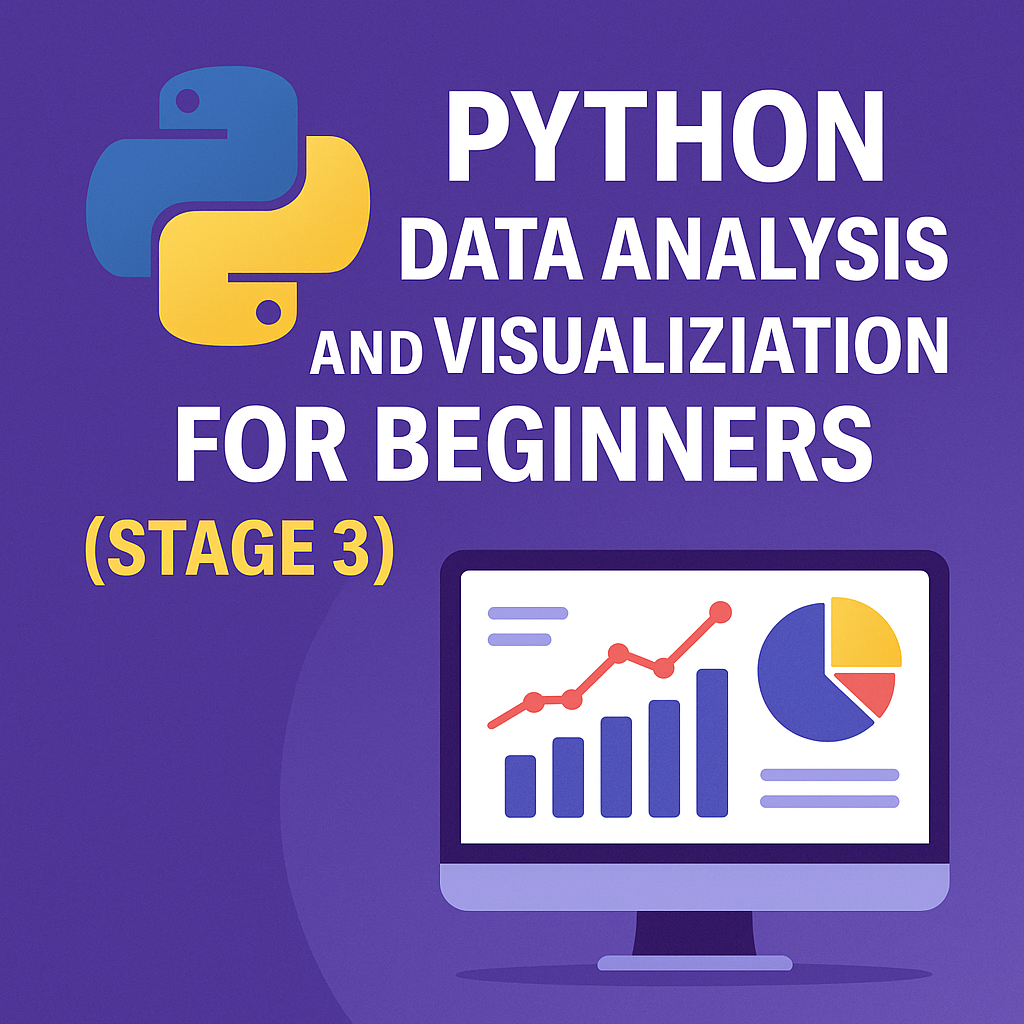
Python data analysis and visualization are essential skills for anyone working in automation and AI. In this guide, you’ll learn how to process and visualize your data using powerful Python libraries. You’ve automated tasks and connected your scripts to the web—now it’s time to make sense of the data you’ve collected. In Stage 3, we focus on data analysis and visualization using Python. Whether you scraped data from websites or pulled it from APIs, analyzing and visualizing it helps you uncover insights, detect patterns, and make informed decisions. Python makes this process intuitive and powerful with libraries like Pandas, Matplotlib, and Seaborn.
1. Why Data Analysis Matters in Automation and AI
Automation isn’t just about gathering data—it’s about using it effectively. Here’s why data analysis is essential:
- Find trends: Understand customer behavior, pricing changes, or seasonal patterns.
- Optimize decisions: Identify what works best using metrics and KPIs.
- Prepare for AI modeling: Clean, structured data is the foundation of accurate machine learning.
Whether you’re building dashboards or feeding models, analysis is a crucial step.
2. Using Pandas for Powerful Data Analysis
Pandas is the go-to Python library for working with structured data (like Excel, CSV, or JSON files).
pip install pandas
Example: Load and analyze a CSV file
import pandas as pd

df = pd.read_csv('sales_data.csv')
print(df.head())             # First 5 rows
print(df.describe())         # Summary stats
print(df['product'].value_counts())  # Count by product
With just a few commands, you can clean, filter, group, and summarize massive datasets.
3. Visualizing Data with Matplotlib and Seaborn
Seeing is understanding. Python provides stunning charting tools:
install matplotlib seaborn
Basic Bar Chart (Matplotlib)
import matplotlib.pyplot as plt

products = df['product'].value_counts()
products.plot(kind='bar')
plt.title('Sales by Product')
plt.xlabel('Product')
plt.ylabel('Sales Count')
plt.show()
Advanced Visualization (Seaborn)
import seaborn as sns

sns.boxplot(x='region', y='sales', data=df)
plt.title('Sales Distribution by Region')
plt.show()
With just a few lines, you can create bar charts, line graphs, heatmaps, and more.
4. Real-World Applications of Python Data Analysis
Here’s how you can use Python data analysis in real life:
- Business dashboards: Track metrics like conversion rates or sales performance.
- Finance monitoring: Analyze stock trends, crypto prices, or expenses.
- Marketing: Track engagement or traffic data across platforms.
- Machine Learning: Preprocess and explore datasets before modeling.
Python makes it easy to connect analysis with automation and AI pipelines.
5. Exporting Results and Building Reports
Use Python to automate the export of cleaned data and graphs to:
- Excel/CSV reports
- PDF summaries (with libraries like ReportLab or FPDF)
- Dashboards (with Streamlit or Plotly Dash)
Example: Exporting to Excel
df.to_excel('report.xlsx', index=False)
You can also schedule these reports to run automatically every week or month.
With python data analysis and visualization techniques under your belt, you’re ready to build dashboards, create reports, and feed clean data into AI models.
Conclusion: From Raw Data to Actionable Insights
Congratulations—you’ve reached a major milestone! In this stage, you learned how to process, analyze, and visualize data using Python. These skills turn raw data into stories, trends, and strategies. You’re now ready to build smart systems and make data-driven decisions.
👉 Up next: Stage 4 — Introduction to Machine Learning with Python